About All Tours3 Days Safari Tours2 Days Safari ToursTsavo East & West ToursFrom Diani ToursFrom Mombasa Tours Directions Hours & Fees Guides
Find Tours 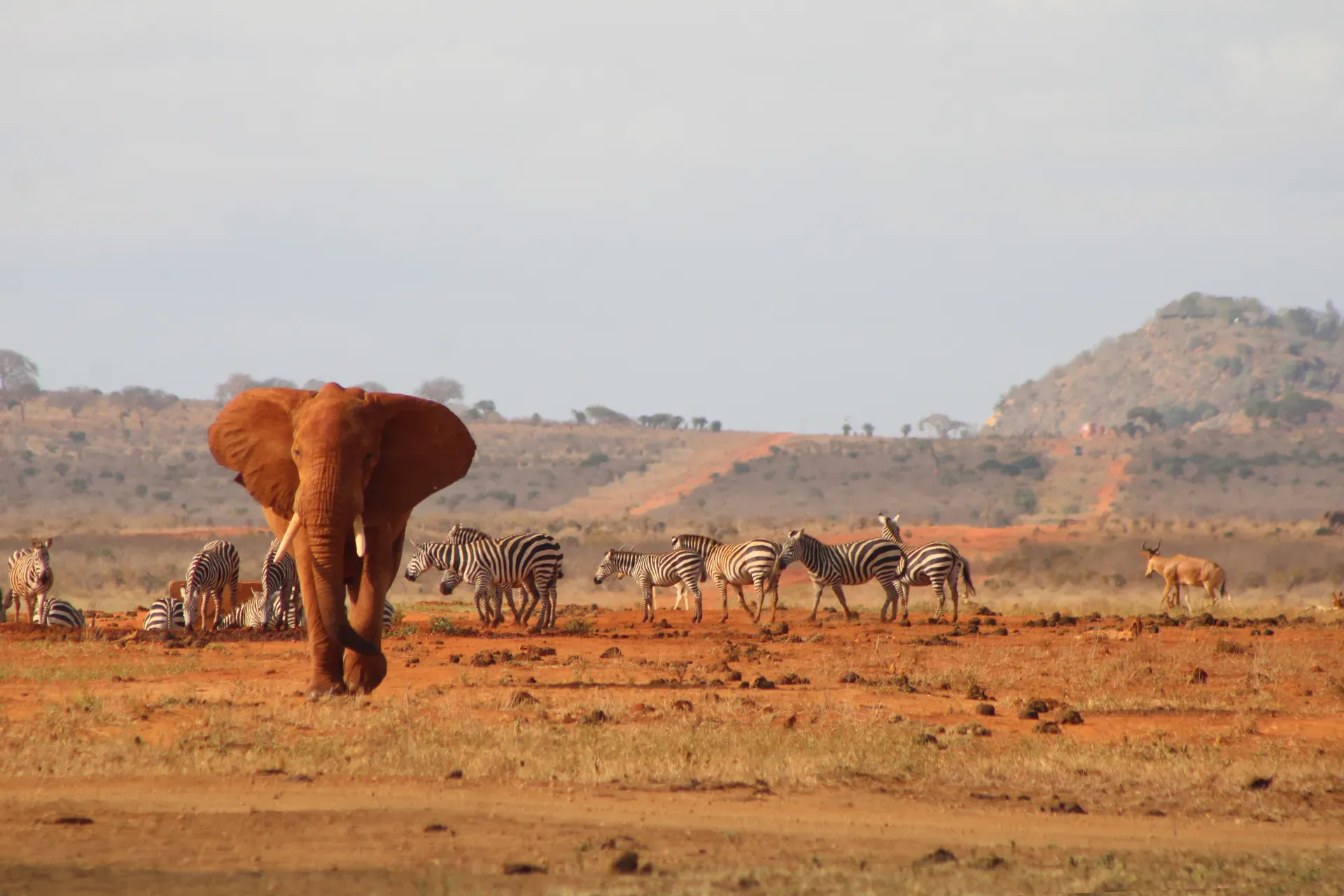
Both 3-day safaris depart from Mombasa (or Diani) and head into Tsavo East National Park for game drives, with round-trip transport, park fees, and meals included. Choose between a guided option from $950 and a 2-night accommodation option from $860.
 Free Cancellation
Three-day guided safari from Mombasa to Tsavo East, with all meals, lodging, park fees, and transport included.

3-day, 2-night safari in Tsavo East from Mombasa or Diani, with park fees and meals included.
Read what travelers share about their experience visiting Tsavo East National Park — from practical tips to personal highlights.
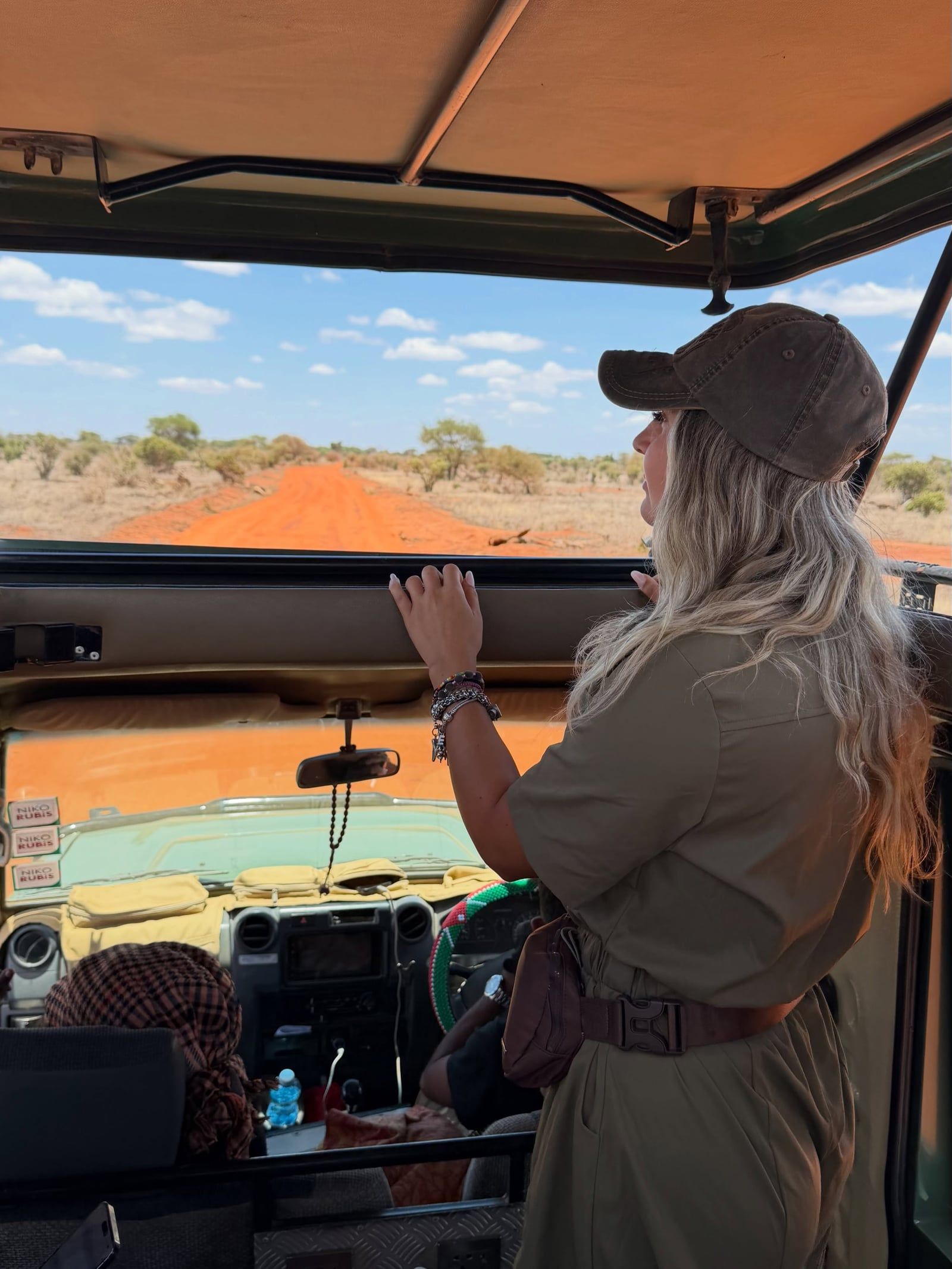
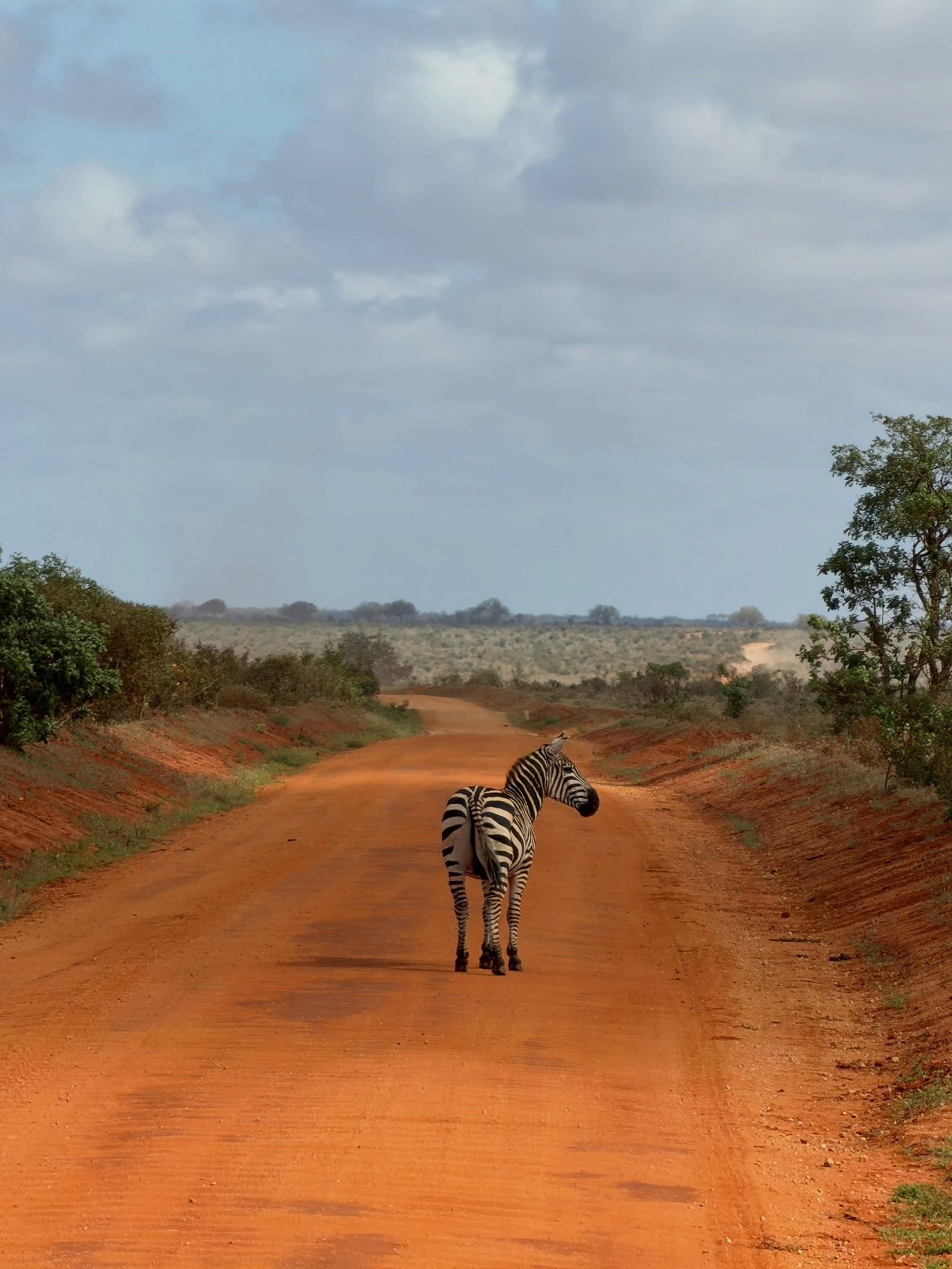
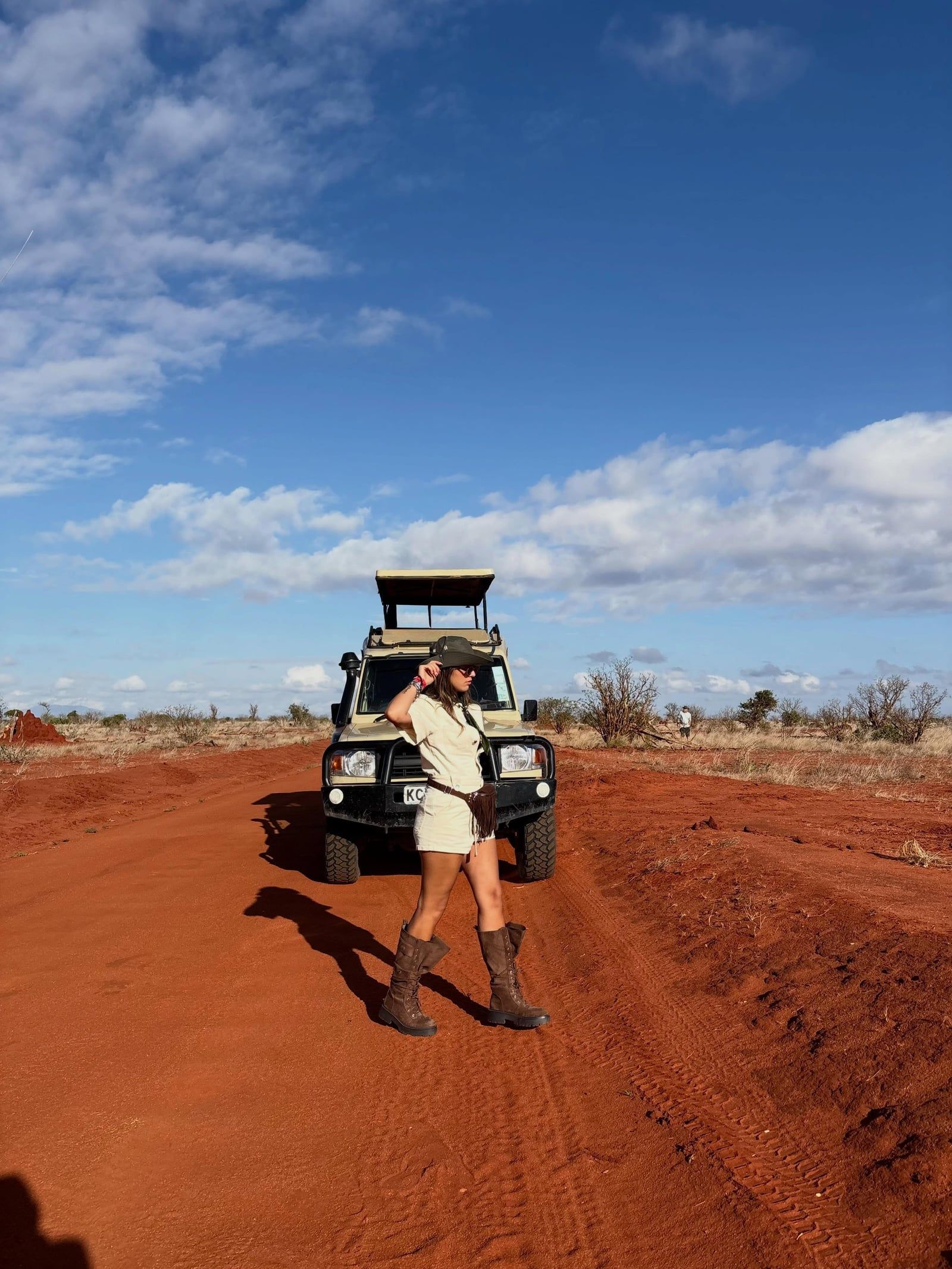
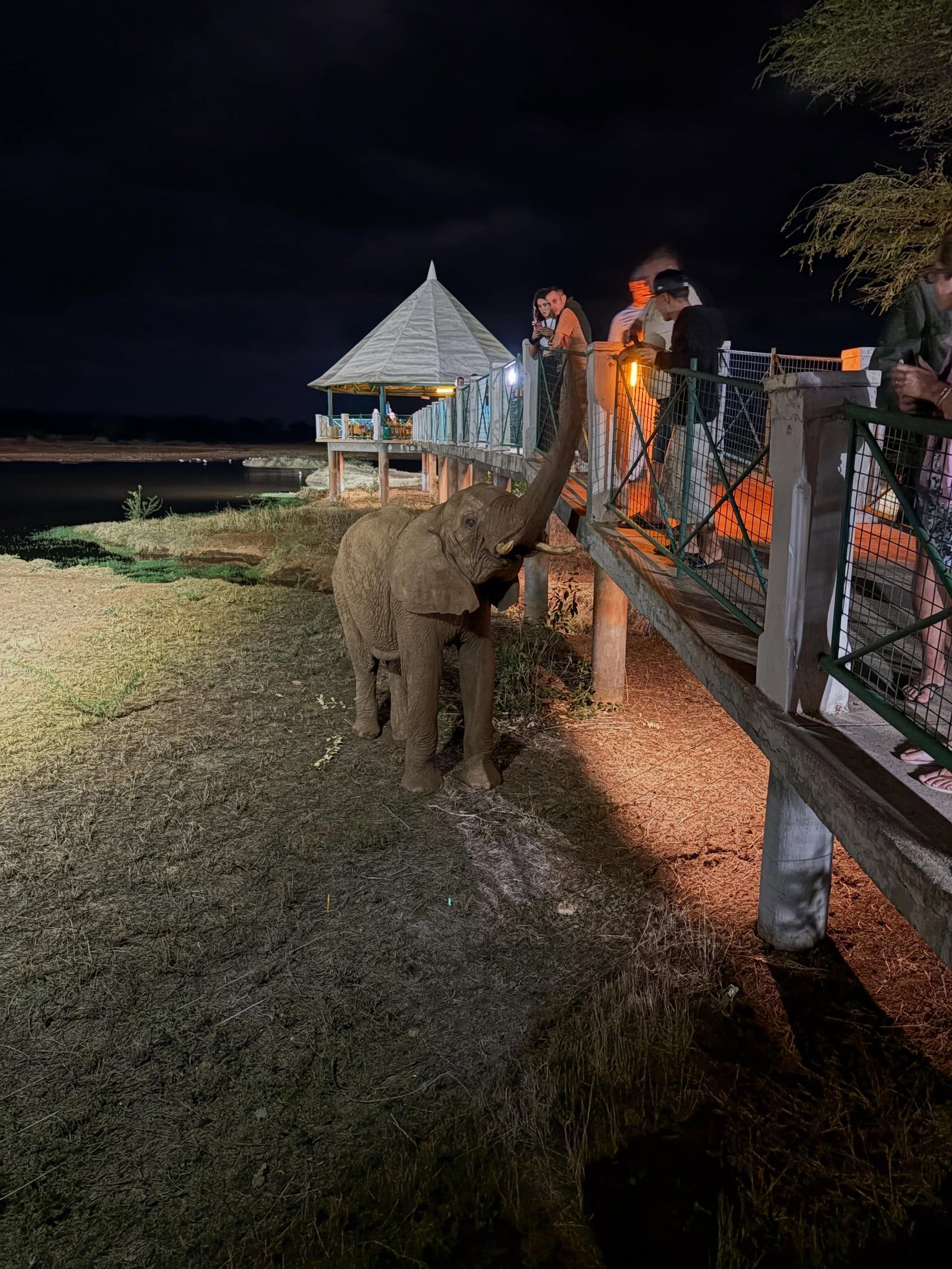
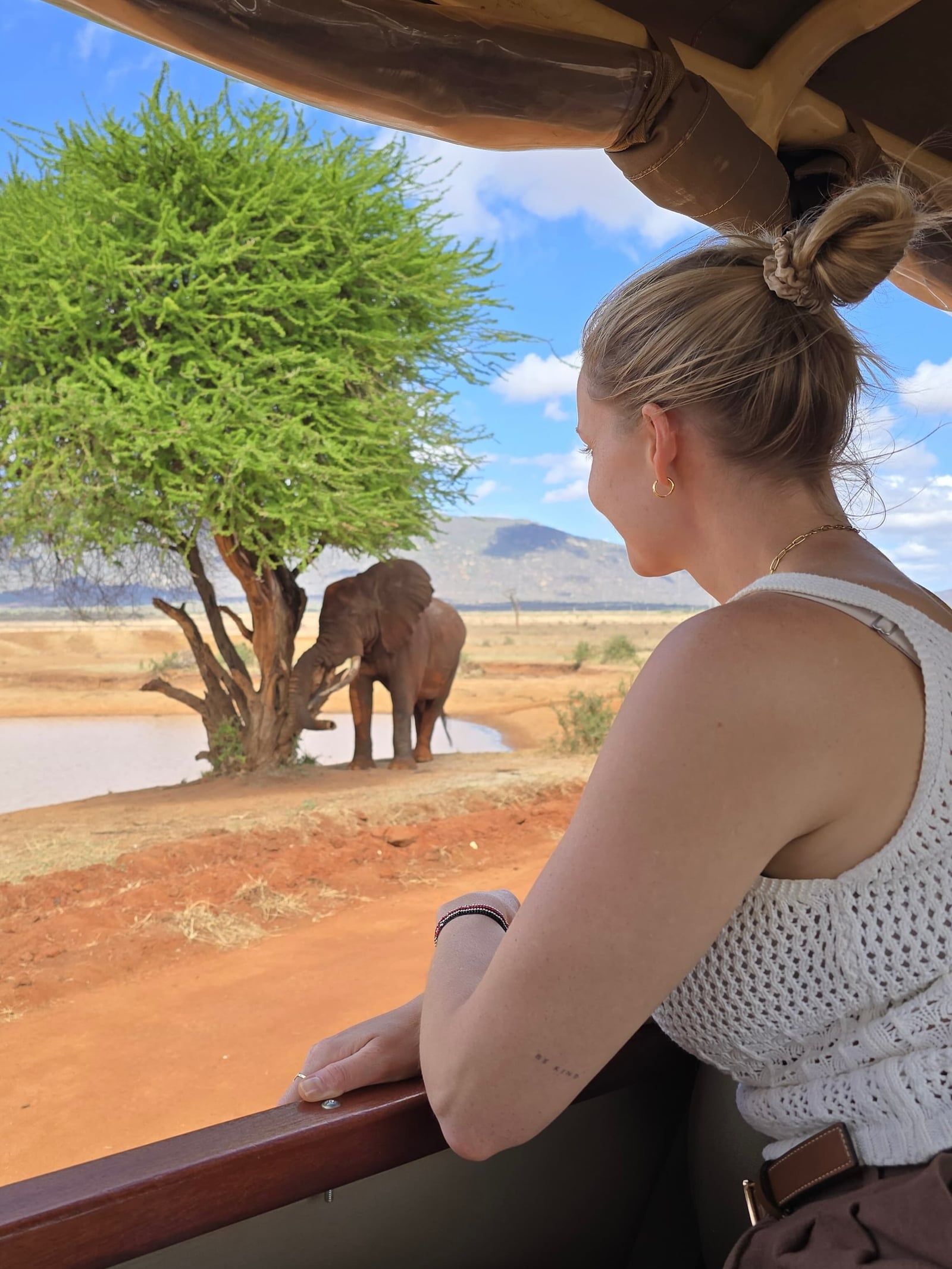
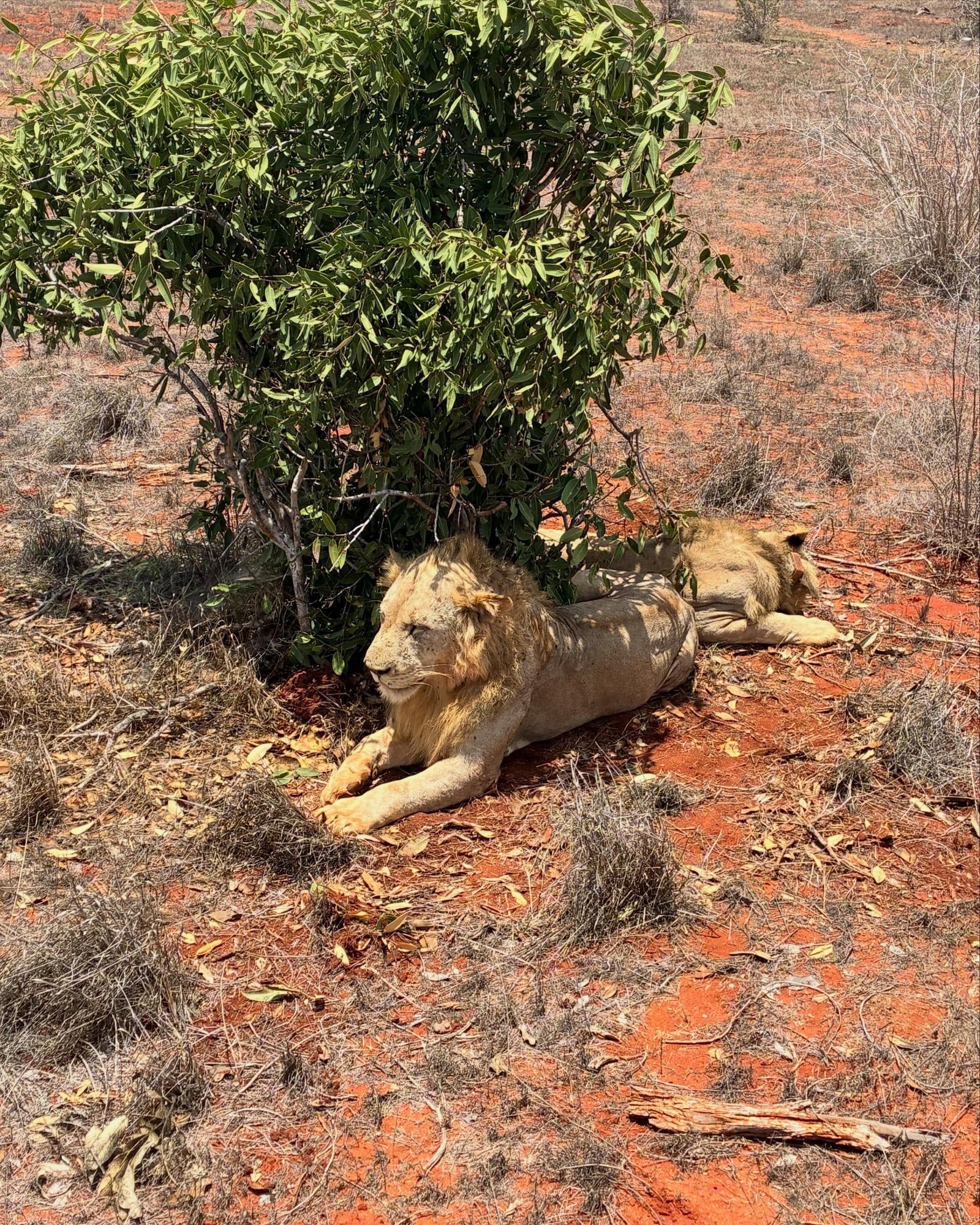
Three days gets you properly inside Kenya's largest national park — 13,747 km² of semi-arid plains where red-dust elephants, maneless lions and near-empty tracks set the tone. Both tours on this page run 72 hours from the Mombasa coast, bundling park fees, meals, accommodation and a licensed guide into one price. Expect dawn starts, long stretches on rough track, and wildlife gathered around water rather than scattered everywhere at once.
Tsavo's elephants coat themselves in the park's fine red soil, turning grey skin rust-coloured. Aruba Dam and the Galana River are where big family groups come to drink, bathe and cross. Against the pale dry plains, it's the shot most people come home with.
The males here grow sparse manes, an adaptation to hot, thorny bush. These are relatives of the region made notorious by the 1898 man-eaters that killed around 35 railway workers. Today you watch prides from the vehicle, at least 20 m away.
The Galana River funnels through polished ancient rock in a chain of rapids and sculpted channels. Crocodiles and kingfishers work the pools below, and the river drive between stops regularly turns up hippos.
A huge inselberg that feeds a natural dam at its base. Climbing it gives you a lookout over plains where elephants, zebra and antelope come to drink — one of the park's classic vantage points.
KWS describes this as the world's longest lava flow, a fossilised ridge running along the park's western edge. Driving beside it gives you the scale of the place — semi-arid scrub stretching to the horizon.
Three hours without seeing another vehicle is normal here. Visitor numbers run far below the Maasai Mara, so when your guide finds a lion or a kill, you'll likely have it to yourselves.
Both tours listed here are guided road safaris from the coast, running 72 hours with an English-speaking licensed guide. The details below determine which one fits you — and what to sort out before you pay.
Two formats dominate: a 3-day guided safari out of Mombasa ($950) and a 3-days-2-nights safari from Mombasa or Diani ($860) that picks up at any hotel in either town. Both include park fees, all meals, accommodation and transport in a safari van. Airport pickup is possible on the second option if you send flight details when booking.
Book ahead for July–October and January–February, the dry months when wildlife concentrates at the Galana River and Aruba Dam and sighting rates peak. You'll need to confirm your pickup hotel (or flight details) at the time of booking, so have your accommodation sorted first.
Park entrance is bundled into both tour prices. If you visit independently instead, a non-resident adult pays USD 80 per 24 hours under the KWS tariff effective 1 October 2025, with vehicle entry (KES 600/day for cars under 6 seats) charged separately. That 24-hour validity matters on multi-day trips — a 3-day stay means three ticket periods.
Tsavo West sits 2–4 hours' drive away, with Mzima Springs (hippos viewed at close range through volcanic-filtered water) and the Shetani Lava Flow — but a Tsavo East ticket does not cover it, so any extension needs a separate purchase. Most travellers instead finish on the coast: Diani's beaches are 2.5–3.5 hours from the gates. Mkomazi National Park in Tanzania shares the southeastern boundary if you're heading south.
Guided walking safaris inside Tsavo cost USD 50 per person and should be booked through KWS or your operator in advance. Drones are banned without specific KWS written permission plus KCAA authorisation (permits quoted at USD 300/day) — leave yours at home. The bird list tops 500 species, so binoculars earn their space in your bag.
Game drives involve almost no walking, which suits older visitors and anyone with limited mobility — but both tours warn against booking with spinal injuries, pregnancy or poor cardiovascular health, given the bumpy tracks. Infants ride on an adult's lap. Wheelchair users who can transfer into a safari vehicle can do the drives; arrange an adapted vehicle through an operator well ahead.
The two tours differ sharply here. The $950 Mombasa safari refunds in full if you cancel at least 24 hours before departure. The $860 Diani/Mombasa tour needs 6 full days' notice for a full refund, pays 50% between 2 and 6 days, and nothing inside 2 days. Read the terms before committing to the cheaper option if your plans might shift.
Malaria is present year-round in this coastal lowland zone and peaks during the March–May and November–December rains — see a travel clinic about prophylaxis before you fly. Day-biting tsetse flies occur; neutral-coloured clothing (khaki, olive, brown) seems to deter them, while dark blue and black attract them. Most foreign nationals also need the Kenya eTA approved before departure.
Swipe to see more
| 3-Day Guided Safari from Mombasa | 3 Days & 2 Nights from Mombasa/Diani | Independent Visit (Self-Drive or SGR Train) | |
|---|---|---|---|
| Duration & Format | 72 hours with a professional English-speaking guide and round-trip transport from Mombasa | 72 hours, 2 nights, safari van with licensed guide; pickup at any Mombasa or Diani hotel, or the airport with advance flight details | Self-planned; SGR Madaraka Express from Nairobi (4 hrs, KES 1,050 economy) or Mombasa to Voi/Miasenyi, then a pre-arranged 30–60 min transfer |
| Price From | $950 — park fees, all meals, accommodation and transport bundled in one price | $860 — park fees, all meals, 2 nights' accommodation, drinking water in the vehicle included | USD 80 per adult per 24 hours park entry plus KES 600/day vehicle fee — you arrange everything else |
| Best For | First-time safari-goers who want everything paid upfront with a single booking | Coast-based travellers at Diani or Mombasa hotels who want door-to-door pickup at the lower price | Experienced travellers and birders who want flexibility across the 500+ species list and the quieter northern sector |
| Cancellation | Full refund if cancelled at least 24 hours before departure | Full refund 6+ days out; 50% between 2 and 6 days; 0% within 2 days of departure | No operator terms — KWSPay tickets and train seats are your own risk; book trains at metickets.krc.co.ke |
Swipe to see more
Gates open at 6:00 AM and close at 6:00 PM daily, year-round. The only exception is overnight guests staying inside the park, who can be at their camp before the 6 PM close.
Your entry ticket is valid for 24 hours of continuous stay, not per calendar day — relevant if you're paying your own park fees on a 3-day itinerary. Night driving is banned outright.
Use the hours well: wildlife is most active near water in the cool dawn and late afternoon, while midday (averaging about 31°C) goes quiet. Nights drop to around 20°C, so pack a fleece for those 6 AM starts even in the dry season.
From Mombasa or Diani by road: 2.5–3 hours on the Mombasa–Nairobi highway. KWS gate distances from Mombasa: Bachuma Gate 110 km, Voi Gate 156 km, Manyani Gate 191 km. Most coast tours enter at Bachuma.
From Nairobi by road: Mtito Andei Gate is 233 km south of Nairobi — allow 4–5 hours, plus extra time on rough tracks once inside.
By train (SGR): the Madaraka Express runs from Syokimau Terminus, Nairobi, to Voi or Miasenyi stations in about 4 hours (KES 1,050 economy, KES 3,200 first class). From the coast, board at Mombasa Terminus — about 2–3 hours. Pre-arrange a station pickup; book on the official metickets.krc.co.ke portal, not resellers.
By charter flight: roughly 50–60 minutes from Nairobi Wilson, 30–45 from the coast. Airstrips at Voi, Ithumba, Aruba, Satao, Sala and others — match the strip to your accommodation.
June to October is the sweet spot — the long dry season thins the vegetation and pulls wildlife to the Galana River, Aruba Dam and other water points. January to February is the second dry window and works nearly as well.
Both periods beat the Mara for crowds: you can drive for hours sharing sightings with almost no one.
Avoid April if you can. It's the wettest month (long rains run March–May) and tracks turn to quagmires. November is nearly as tricky — short rains disperse water and fresh grass, spreading animals across a much wider area and dropping sighting rates.
Wheelchair users: no formal accessible infrastructure exists, and the terrain is rough, dusty 4WD track. Since the core experience is vehicle-based, anyone who can transfer into a safari vehicle can still do the drives — arrange an adapted vehicle and assistance through an operator well in advance.
Older visitors: very manageable, as drives involve little walking. The challenges are heat (~31°C midday), dust, early starts and long bumpy stretches. Walking stops like Mudanda Rock and Lugard's Falls cover uneven ground — skip them and stay vehicle-based if mobility is limited.
Children: ages 3–17 pay half fare and under-5s enter free. All wildlife is viewed from vehicles with a 20 m minimum distance. Malaria prophylaxis for kids needs paediatric advice, and note that tour-listed policies require infants to sit on an adult's lap.
Services inside the park are minimal — this is part of the deal. KWS's own packing list tells you to bring drinking water, food, a camera, binoculars, sunscreen, insect repellent, a first-aid kit and sunglasses.
Take more water and snacks than you think you need, especially on self-drive trips. Gates and public sites (Lugard's Falls, Mudanda Rock, Aruba Dam) have basic facilities only.
Accommodation inside the park ranges from camps to lodges, several with their own airstrip — Voi, Ithumba, Aruba, Satao, Sala, Sangayaya, Thabagunji, Lugard and Bachuma all have strips. If you self-drive and get stuck, expect little traffic and few services, so carry spares, water and a working phone.
Wildlife: stay in your vehicle except in designated areas, keep doors closed, maintain at least 20 m from animals, and never feed anything. Camp guests must not walk unescorted at night.
Driving: the speed limit is 40 km/h, off-road driving is prohibited, and night driving is banned. Visitors enter at their own risk under KWS rules.
Prohibited: single-use plastics are banned in all Kenyan national parks (bring a reusable bottle), and drones require specific written KWS permission plus KCAA authorisation — operators flying without permits risk confiscation. No firearms, no litter left behind; carry out all trash.
Documents: carry ID or a passport matching your ticket category — KWS checks citizen/resident/African/non-resident eligibility at the gate. Most foreign nationals need the Kenya eTA approved before departure. Commercial filming needs a KWS permit (about USD 200/week for a 1–5 person crew).
Yes — both tours listed here bundle the park fees into the price, along with all meals, accommodation and transport. If you were paying separately, a non-resident adult ticket costs USD 80 per 24 hours under the tariff effective 1 October 2025, with vehicle entry (KES 600/day for cars under 6 seats) on top. On a 3-day stay that adds up, so the bundling is worth having.
The 3 Days & 2 Nights tour picks up and drops off at any hotel in Mombasa or Diani — you tell the operator where you're staying when you book. Airport pickup is possible too, provided you send your flight details ahead. The other tour runs on round-trip transport from Mombasa city.
Red-dust elephants are the reliable headline, especially at Aruba Dam and the Galana River, along with giraffe, zebra and buffalo. Lions (the famous maneless ones), leopard and rhino are possible but densities are lower than in the Maasai Mara — that's the trade-off for genuine wilderness with almost no other vehicles. Rarer species like gerenuk, lesser kudu and the critically endangered hirola also live here.
They differ. The $950 Mombasa safari gives a full refund if you cancel at least 24 hours before departure. The $860 tour is stricter: 6 full days' notice for a full refund, 50% between 2 and 6 days, and nothing if you cancel within 2 days. If your plans are loose, the 24-hour policy is the safer booking.
Yes, with caveats. Children aged 3–17 pay half park fare and under-5s enter free, but tour policies require infants to sit on an adult's lap, and malaria in this coastal lowland zone means kids need paediatric advice on prophylaxis. Older travellers manage fine since drives involve little walking — the real tests are the ~31°C midday heat, dust and bumpy tracks. Both tours warn against booking with spinal injuries, pregnancy or poor cardiovascular health.
July to October, or January to February. These dry months thin the vegetation and concentrate wildlife around the Galana River and Aruba Dam, which lifts sighting rates considerably. Skip April if you can — long rains turn tracks to mud — and treat November carefully, as the short rains spread animals over a much wider area.
Most foreign nationals need the Kenya Electronic Travel Authorisation (eTA), applied for online and approved before departure, with a passport valid at least six months. Citizens of most African countries are exempt and can enter visa-free for up to two months. Sort this before you fly — you can't get it at the gate.
Yes to both, with a catch: a Tsavo East ticket does not cover Tsavo West, so a two-park itinerary needs separate or combination tickets bought correctly in one payment. Tsavo West lies 2–4 hours away and adds Mzima Springs and the Shetani Lava Flow. For the coast, Diani's beaches are 2.5–3.5 hours from the gates — most tour itineraries end with a straightforward drop-off at your hotel.
Light, loose, neutral-coloured clothing in breathable layers — khaki, olive and brown also seem to deter tsetse flies, while dark blue and black attract them. Bring long trousers and a fleece for cool dawn drives (nights average 20°C), a hat, sunglasses, sunscreen, closed shoes, binoculars and a reusable water bottle, since single-use plastics are banned in Kenyan parks. Skip jeans; they're too heavy for game drives.
Expect full days on rough 4WD track with a 40 km/h speed limit, plus early starts — wildlife is most active between 6 AM and mid-morning, and again late afternoon. Midday averages about 31°C and goes quiet, so most itineraries use it for lunch and rest at camp. If you have a bad back, take the tour health warnings seriously; the tracks are genuinely jarring.
Browse verified tours with free cancellation and instant confirmation.
Find Tours


This is a 72-hour, three-day safari out of Mombasa, with an English-speaking professional guide and round-trip transport from the city. Days are spent on game drives in Tsavo East, known for its red-dust elephants, lions, giraffes, zebras, and buffalo. Nearly everything is bundled: park entrance fees, all accommodation, breakfast, lunch, and dinner each day. The listing's "not included" section is unspecified, so confirm drinks, tips, and any extras with the operator before booking. Cancellation is standard — full refund if you cancel at least 24 hours before departure.
For a full refund, cancel at least 24 hours before the scheduled departure time.
English


This is a 3-day, 2-night road safari from the coast into Tsavo East, with pickup and drop-off at any hotel in Mombasa or Diani — just tell the operator where you're staying when you book. Airport pickup is possible too, if you send your flight details ahead. You ride in a safari van with a licensed English-speaking guide. All three days' meals are covered — breakfast, lunch, and dinner — plus drinking water in the vehicle, two nights' accommodation, and park entry fees. That leaves almost nothing to pay on the ground. The park's wildlife includes giraffes, zebras, buffaloes, and large herds of elephants, with big cats sometimes spotted. Cancel at least 6 full days before departure for a full refund; between 2 and 6 days out you get a partial refund.
If you cancel at least 6 full day(s) before the scheduled departure time, you will receive a full refund.<br>If you cancel between 2 and 6 day(s) before the scheduled departure time, you will receive a 50% refund.<br>If you cancel within 2 day(s) of the scheduled departure, you will receive a 0% refund.
English